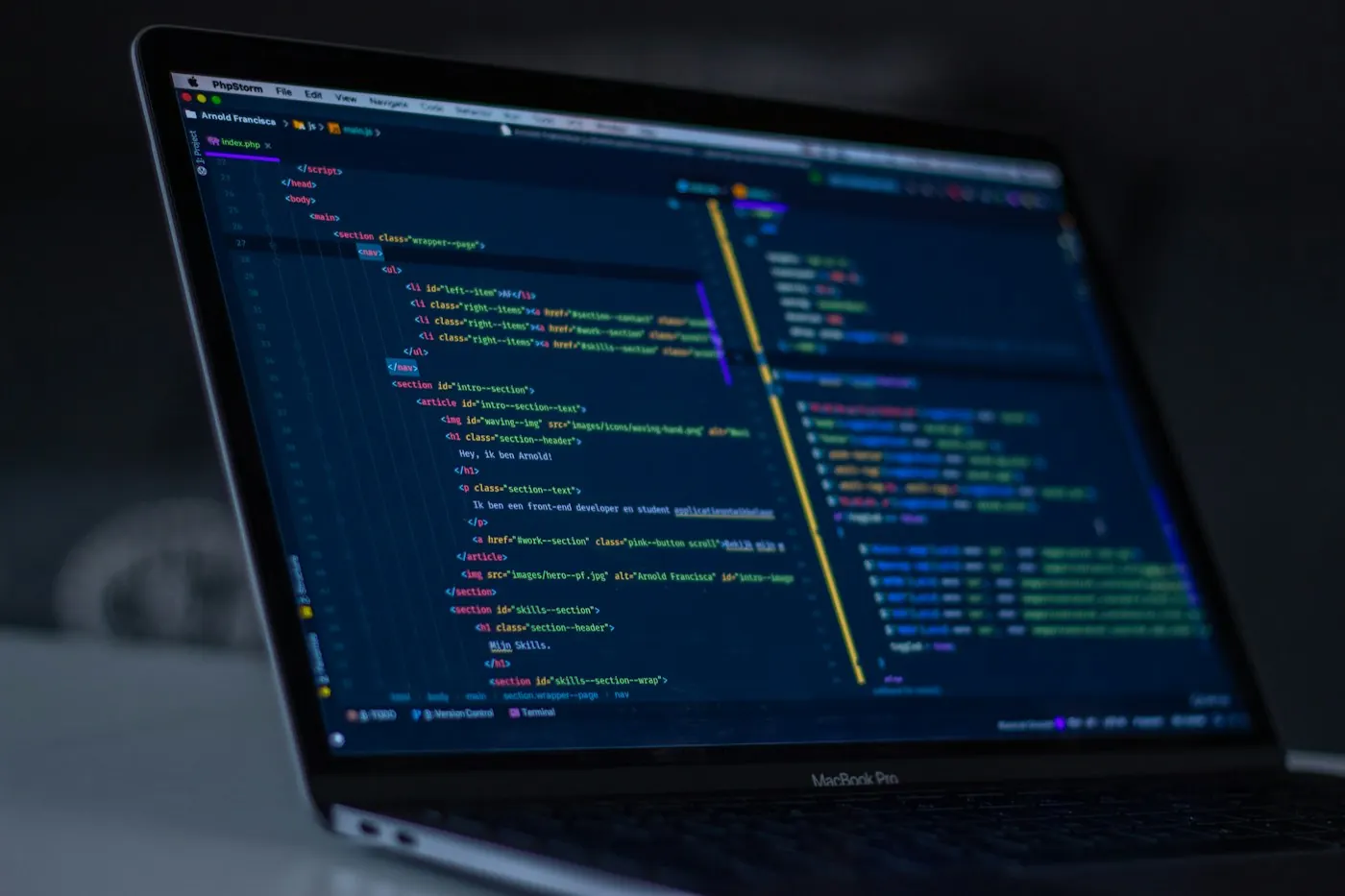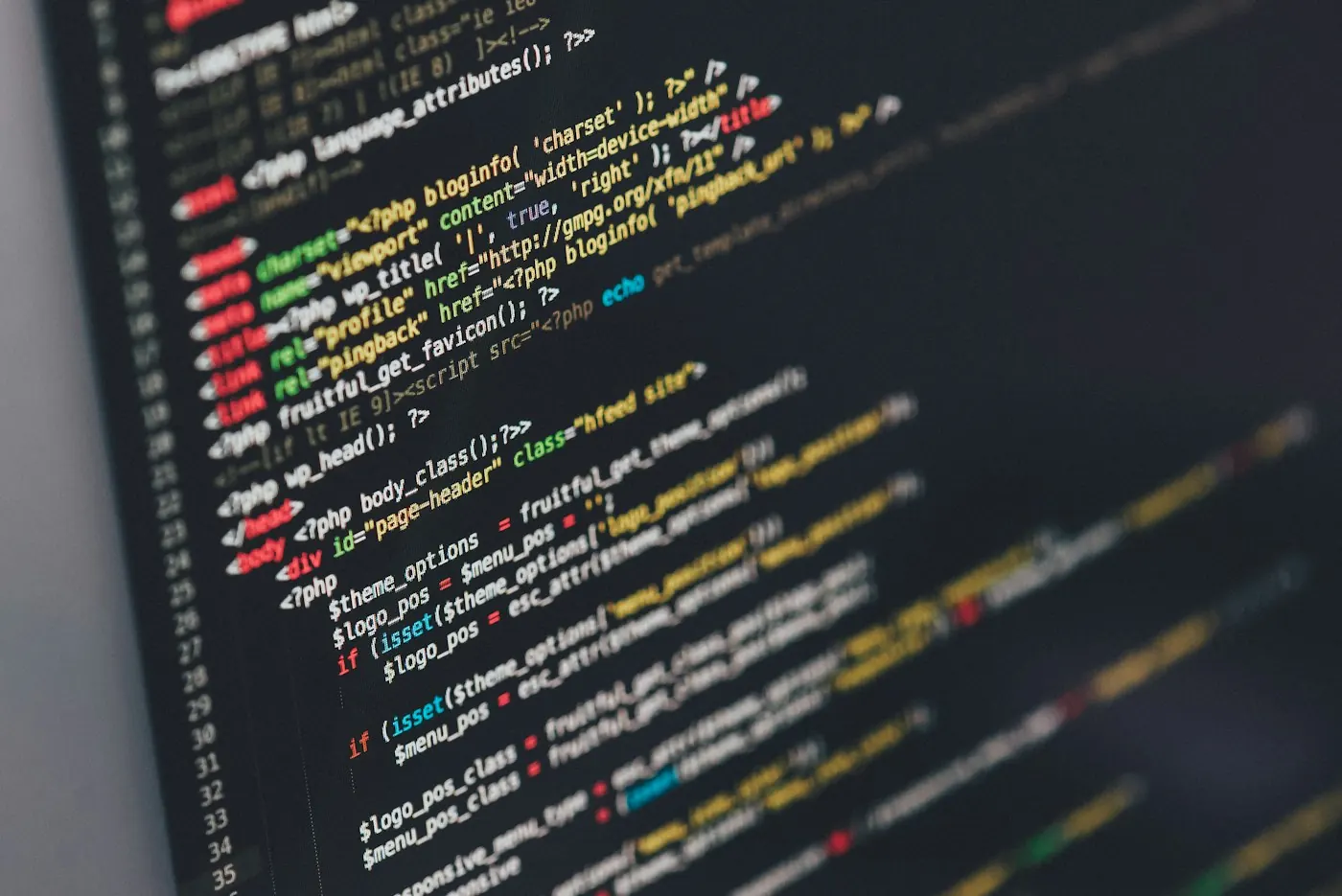
A page often receives its pieces at different moments. Text may appear before a photograph, or a font may arrive after a first version of the layout. The reader experiences that sequence, rather than a single finished screenshot.
Unexpected movement makes the sequence harder to follow. Reserving image space, choosing a reasonable font fallback, and avoiding late content above the reading position can make the experience steadier.
Watch the page load under a slower connection and begin reading before it finishes. Notice whether the sentence you were following moves away. Improving that moment can matter more than an animation that looks polished after everything is ready.
- Observe the page before loading finishes.
- Reserve space for visual content.
- Keep the reading position steady.
Bring the idea into a day.
A reader may begin selecting a link before a photograph finishes loading. A reserved image area helps the intended target remain where it was.
Another angle on the story.
A page has relationships as well as appearances. Make sure its structure still communicates those relationships when the layout changes or decoration disappears.
Follow a related question
Review focus and busy states.
A button has more than one stateUse a distinct password for each account.
Make account habits easier to maintainKeep learning
Related background to continue exploring this subject.
MDN: responsive images W3C: accessibility, usability, and inclusion